
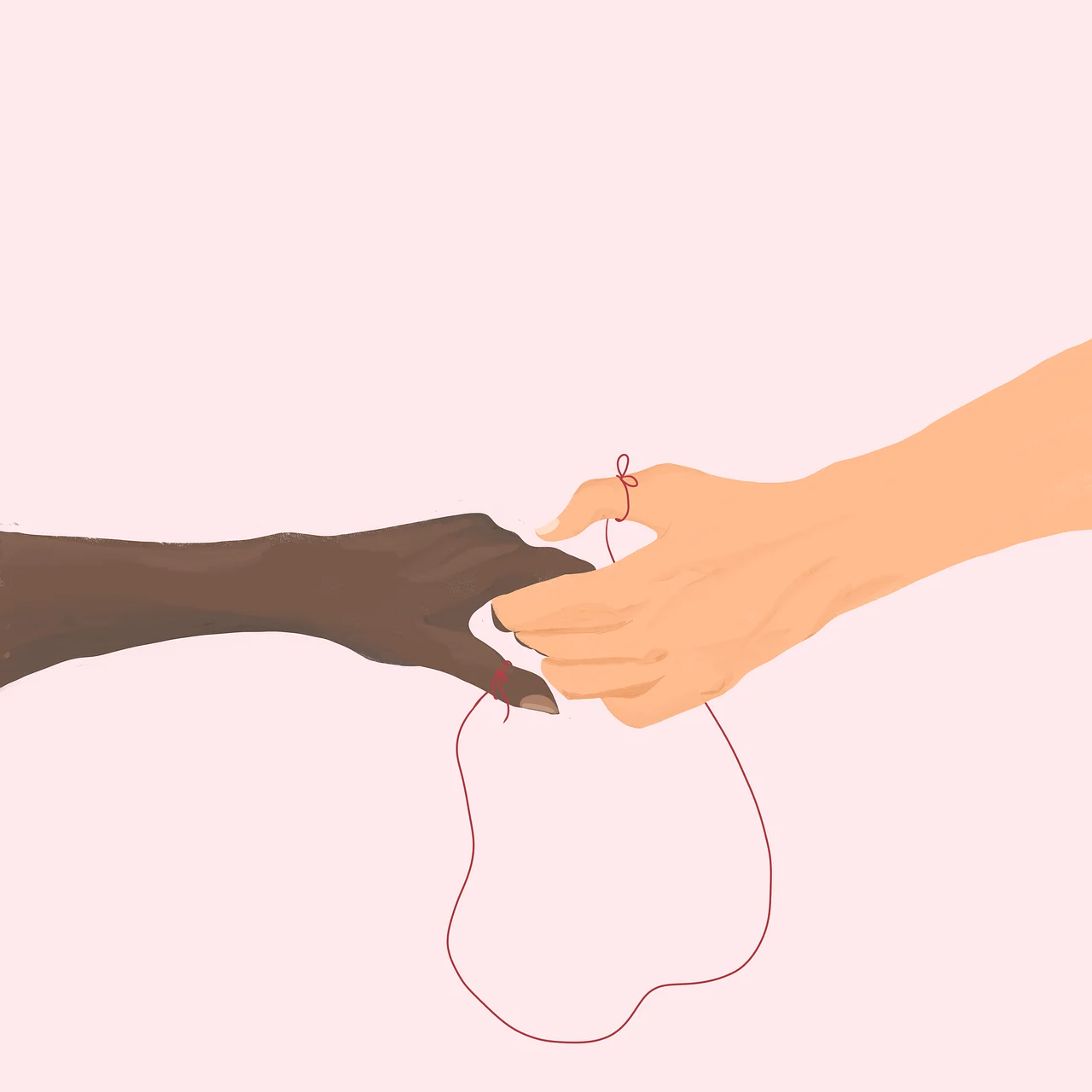
The image beautifully captures what relationships are truly about: two people supporting each other unconditionally. In today's world of surface-level interactions and transactional connections, this visual reminds us that meaningful relationships thrive on genuine care, active support, and emotional interdependence. This article explores how to be the kind of partner, friend, or loved one who truly holds others up—and how to allow yourself to be held when you need it most. Discover the art of mutual support, the courage it takes to be vulnerable, and how showing up for others creates bonds that withstand life's storms.
Holding Each Other Up: The Art of Mutual Support in Relationships
There's something profound about the simple act of one person holding another's hand. In that gesture lies the essence of what relationships should be—a quiet promise that says "I've got you" and "You're not alone." Yet in our rush to be independent, to prove we don't need anyone, we often miss the power of being held up by those who care about us, and the privilege of doing the same for others.
The Foundation: Understanding Mutual Support
Healthy relationships aren't about one person being stronger while the other is weaker. They're about two people choosing, day after day, to be each other's anchor. Mutual support means recognizing that we all have moments of weakness, uncertainty, and struggle—and that's not a flaw; it's part of being human.
When you support someone, you're not trying to fix them or make their problems disappear. Instead, you're saying: "I see you're struggling, and I'm here with you." That presence matters more than you might think. Studies show that people who feel supported by others recover faster from stress, face challenges with more resilience, and experience greater overall well-being.
The Courage to Be Vulnerable
Supporting others requires vulnerability—the willingness to admit you don't have all the answers and that you, too, need help sometimes. Many of us were taught that asking for help is a sign of weakness. But the opposite is true. It takes courage to say "I'm struggling" and even more courage to let someone in to help.
When you allow yourself to be held up by others, you give them the gift of purpose. You show them that their care matters. You create a space where both of you can be authentically human—imperfect, uncertain, but deeply connected.
Different Seasons, Different Needs
Relationships that last understand that support isn't always equal or constant. Sometimes one person is the stronger one; sometimes it shifts. A healthy partnership flows with the seasons—when one person faces a career crisis, health challenge, or emotional upheaval, the other steps up. Months later, roles may reverse, and that's perfectly okay.
The key is recognizing these seasons and communicating about them. "I'm going through a lot right now, and I need more support than usual" is a statement of strength, not burden. A true partner hears this and adjusts, not out of obligation, but out of love.
Active Support vs. Silent Judgment
Support doesn't mean accepting everything a person does without question. It means holding them accountable with compassion. True support sometimes sounds like "I love you, and I also think you might want to reconsider this choice." It's the willingness to have difficult conversations because you care enough to be honest.
This is where many relationships falter. We either support someone blindly (enabling poor choices) or we withdraw support entirely (abandoning them). The middle ground—loving someone while also being honest—is where real growth happens.
Showing Up Matters More Than Grand Gestures
You don't need to perform miracles to support someone. Often, the most powerful act of support is simply showing up. That might mean:
- Listening without trying to fix: Sometimes people don't need solutions; they need to be heard.
- Being present during difficult moments: Sitting with someone in their pain, rather than trying to brighten their mood.
- Remembering what matters to them: Following up on conversations, asking how that job interview went, or checking in after a loss.
- Celebrating their wins: Being genuinely happy for their successes, even when your own life feels stagnant.
- Holding their hope when theirs runs out: During dark times, sometimes you need to believe in them until they can believe in themselves again.
The Ripple Effect of Mutual Support
When you experience true support, something shifts inside you. You feel seen, valued, and less alone. This doesn't just benefit your personal relationships—it changes how you move through the world. People who feel genuinely supported tend to be kinder, more generous, and more willing to support others.
This creates a beautiful ripple effect. When you hold someone up, they're more likely to hold others up. Families become stronger, friendships deepen, and communities heal.
Building a Culture of Support in Your Relationships
Start small. With one person in your life—a partner, friend, or family member—practice this kind of intentional support:
- Check in regularly: Not just surface-level "how are you?" but real conversations about how they're genuinely doing.
- Ask for help yourself: Model vulnerability. Show them it's safe to need others.
- Follow through: When you say you'll be there, be there. Reliability builds trust.
- Celebrate growth: Notice and acknowledge the ways they're growing and changing.
- Give grace: Understand that everyone has bad days. Support doesn't require perfection.
Final Thoughts
The image of two hands holding each other, supporting a mind in need, is a reminder that we're not meant to walk this life alone. We're built for connection, for mutual care, for being held and for holding others. The strongest people aren't those who never need help—they're the ones who have the courage to ask for it and the generosity to give it freely.
In your relationships, be someone who holds others up. And when you're struggling, allow yourself to be held. That's not weakness—that's the most beautiful expression of what it means to be human.